

Why MMOs Get Cancelled: Lessons from World of Darkness and Beyond
In April 2014, CCP Games pulled the plug on World of Darkness Online, a Vampire: The Masquerade MMO that had been in development for years and had already burned through tens of millions of pounds. The news hit the online RPG community like a stake through the heart. Here was a game built on one of the most beloved tabletop IPs in existence, backed by a studio that had already proven it could run a successful MMO in EVE Online — and yet it never saw the light of day. Sadly, it is far from alone. Over the past decade, some of the most ambitious MMOs ever pitched have been cancelled after years of work, leaving players to wonder why the genre keeps eating its own young.
The High-Profile Cancellations That Shook the Industry
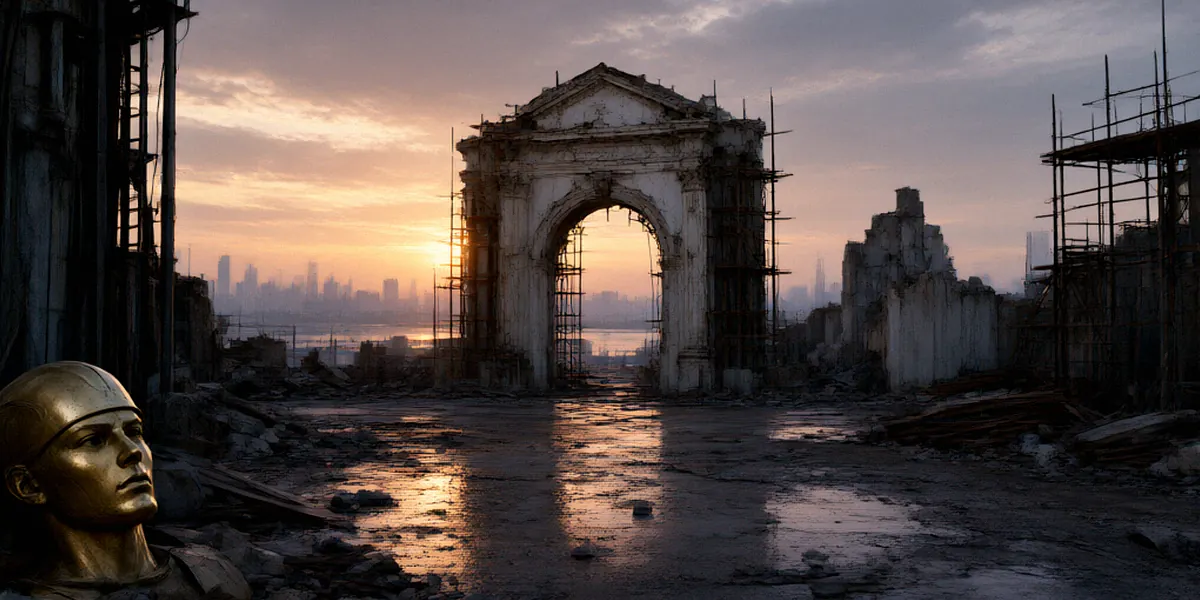
When a major publisher cancels an MMO, it is rarely a quiet affair. These projects tend to be announced with cinematic trailers, fanfare and promises of a decade-long roadmap, which makes their eventual demise all the more painful. Three cancellations in particular still sting for anyone who follows MMO news closely.
World of Darkness Online: CCP’s Ambitious Failure
World of Darkness Online was cancelled by CCP Games in 2014 after years of development. The project aimed to bring the gothic politics, vampire clans and supernatural intrigue of Vampire: The Masquerade into a persistent online world. CCP had acquired White Wolf Publishing in 2006 specifically to make this happen, and at one point the team working on the game numbered well over a hundred people. But EVE Online’s own struggles in 2013 — including the disastrous launch of the Incarna expansion and the subsequent “summer of rage” from players — forced CCP to refocus resources. The World of Darkness MMO was shelved, and the studio laid off staff in Atlanta and Reykjavik. It remains one of the most painful “what ifs” in online RPG history.
EverQuest Next: Sony Online Entertainment’s Lost Dream
EverQuest Next was cancelled by Daybreak Game Company in 2016. Announced in 2013, it promised a fully destructible voxel world, emergent AI and a sandbox approach that would have been a radical departure from theme park MMOs. Sony Online Entertainment (later rebranded as Daybreak after a sale to Columbus Nova) had already cancelled EverQuest Next Landmark, a building-focused spin-off, before pulling the plug on the main game entirely. The cancellation came just months after Daybreak was hit with layoffs, and it left a loyal EverQuest community without the next-generation sequel they had waited over a decade for.
Titan: Blizzard’s Secret Project That Never Was
Blizzard’s Titan was cancelled in 2014 after seven years of development. The project was intended to be the company’s follow-up to World of Warcraft, a next-generation MMO set in a brand-new universe. Details remain scarce even now, but former Blizzard developers have described it as a blend of simulation and MMO gameplay, with a team that at its peak numbered over a hundred people. Blizzard ultimately decided the game was not coming together, and the technology and assets were repurposed into what eventually became Overwatch. Titan is a reminder that even the most successful studios in the world are not immune to the risks of MMO development.
Financial Pressures and Shifting Market Trends
MMOs are among the most expensive games to make and maintain. A single misstep in budgeting or timing can turn a promising project into a financial black hole, and the market has changed dramatically since the genre’s subscription-driven heyday.
The Rising Cost of AAA MMO Development
Modern AAA MMOs routinely cost hundreds of millions of pounds to develop, and that figure only covers the launch. Ongoing content updates, server infrastructure, customer support and marketing add millions more every year. For comparison, Star Wars: The Old Republic reportedly cost around $200 million to develop before launch. When a game underperforms at launch or fails to retain subscribers, publishers face a stark choice: keep funding a loss-making project or cut their losses. In the UK, where the gaming market is one of the largest in Europe and competition for player attention is fierce, studios have even less margin for error.
Free-to-Play Giants and Subscription Fatigue
Fortnite, Genshin Impact and similar free-to-play titles have reshaped player expectations. Why pay £10 a month for an MMO when you can play a polished online game for nothing? Subscription fatigue is real, and even established titles like World of Warcraft have had to adapt with token systems and expanded cash shops. The dominance of free-to-play has made it harder for new subscription MMOs to justify their price, and harder still for investors to back them.
Investor Pressure and Publisher Shake-ups
Publishers answer to shareholders, and MMOs are a long-term bet in a market that rewards quick returns. When a studio misses milestones or a parent company restructures — as happened with Daybreak after its sale — projects get axed. We have seen this pattern repeatedly: ambitious MMO announced, years of silence, quiet cancellation. Investor patience is finite, and MMO development timelines often exceed it.
Technical and Design Challenges That Sink Projects
Even well-funded MMOs can collapse under the weight of their own technical ambition. Building a persistent world that supports thousands of concurrent players, runs smoothly on a wide range of hardware and can be updated for years is a genuinely difficult engineering problem.
Engine Woes and Scalability Nightmares
Many cancelled MMOs were built on custom engines that never quite worked. Scaling a game to support large-scale PvP, seamless open worlds and complex AI is far harder than it looks, and rebuilding an engine mid-development can cost years. Star Wars: The Old Republic’s rocky launch in 2011 was partly down to technical issues, though BioWare eventually stabilised the game. Not every studio gets that chance.
Feature Creep and Scope Management
Feature creep is the silent killer of MMO projects. Design documents grow, new systems get bolted on, and suddenly the game is years away from being finished. Titan reportedly suffered from this, with the team struggling to define what the game actually was. EverQuest Next promised destructible environments and emergent AI — features that sound incredible on paper but are enormously difficult to implement at MMO scale.
Post-Launch Content and Server Maintenance
Launch is not the finish line; it is the starting gun. MMOs need a steady stream of content, seasonal events and balance patches to keep players engaged. Jagex, a UK-based developer, has kept RuneScape running for over 20 years — a remarkable feat that required constant reinvestment in the game’s engine, servers and community. Studios that underestimate the long-term cost of live operations often find themselves unable to keep up.
Licensing, IP Disputes, and Creative Differences
Sometimes the biggest obstacle is not technology or money — it is the intellectual property itself. Licensed MMOs come with unique pressures, from approval processes to creative clashes between rights holders and developers.
The World of Darkness Licensing Saga
World of Darkness is owned by Paradox Interactive, which acquired White Wolf Publishing from CCP in 2015. The cancelled World of Darkness MMO was a CCP project, but the IP’s troubled journey did not end there. Paradox later licensed the property to other developers, including Hardsuit Labs for Vampire: The Masquerade – Bloodlines 2, a project that itself went through a change of studio. The saga shows how licensing can complicate even the most promising projects.
When Publishers and Studios Clash
Creative differences between publishers and development studios are common, and MMOs — with their long timelines and shifting goals — are especially vulnerable. When a publisher changes strategy or a studio’s leadership shifts, a project can lose its champion overnight.
Fan Expectations vs. Creative Vision
MMO communities are passionate, and they have long memories. When a licensed game deviates from fan expectations — a changed combat system, a redesigned lore element — the backlash can be severe. Developers walk a tightrope between innovation and fidelity, and missteps can erode goodwill before a game even launches.
What Cancellations Mean for Players and the Future of MMOs
Cancellations are not just business decisions; they have a real emotional impact on the communities that invest years of hope in these games. But they also point toward new ways of funding and building MMOs.
The Emotional Toll on Fan Communities
When an MMO is cancelled, players lose more than a game — they lose the guilds, friendships and shared stories they imagined building. Forums and subreddits fill with tributes, and the sense of loss can linger for years. UK MMO fans are no exception; the country’s strong player base means cancellations hit home hard.
Crowdfunding and Early Access as Alternatives
In response to publisher caution, some developers have turned to crowdfunding and early access. Ashes of Creation and Pantheon: Rise of the Fallen are both examples of MMOs funded directly by players, allowing studios to build without the pressure of a traditional publisher. These models come with their own risks — delays, scope changes and community burnout — but they offer a lifeline for ambitious projects.
Lessons for Future MMO Developers
What can developers learn from the graveyard of cancelled MMOs? A few recurring themes stand out:
- Scope must match resources — ambition is not a substitute for a realistic budget.
- Technical foundations matter; a shaky engine will haunt a project for years.
- Licensing deals need clear terms and aligned creative visions.
- Live operations require long-term funding, not just launch-day cash.
- Community trust is fragile and hard to rebuild once broken.
While cancellations are painful, they offer valuable lessons for developers and players alike. The MMO genre continues to evolve, with new business models, cloud technology and smaller-scale online RPGs pointing toward a more sustainable future. World of Darkness Online may never return, but its legacy — and the lessons from Titan, EverQuest Next and others — will shape the next generation of online worlds.
FAQ
Why was World of Darkness Online cancelled?
CCP Games cancelled World of Darkness Online in 2014 after years of development, largely because the studio needed to refocus resources on EVE Online following its own difficulties, including the troubled Incarna expansion and player backlash.
What happened to Blizzard’s Titan project?
Blizzard’s Titan was cancelled in 2014 after seven years of development. The team struggled to define the game’s core, and its technology and assets were eventually repurposed into Overwatch.
Are there any MMOs still in development that fans should watch?
Yes. Ashes of Creation and Pantheon: Rise of the Fallen are both crowdfunded MMOs still in development, and they represent a more community-driven approach to funding large-scale online RPGs.
How does Jagex keep RuneScape running for so long?
Jagex, a UK-based developer, has kept RuneScape running for over 20 years by continuously reinvesting in the game’s engine, servers and content pipeline, and by maintaining a close relationship with its long-term player community.
Is the MMO genre dying?
Not at all. While some high-profile projects have been cancelled, the genre continues to evolve through free-to-play models, crowdfunding and new technology. The UK gaming market remains one of the largest in Europe, with a strong MMO player base supporting both established and upcoming titles.